Discover your personalized daily protein needs based on your fitness goals and activity level. Get precise recommendations that support your health journey.
This recommendation is personalized to your fitness goals and activity level, helping you feel your best throughout your day.
Protein is essential for building and repairing muscle tissue. When you exercise, protein helps your muscles recover and grow stronger, supporting your fitness progress.
Protein keeps you feeling full longer compared to carbs or fats alone. This helps you maintain steady energy levels throughout the day and supports mindful eating habits.
Protein plays a vital role in maintaining healthy metabolic function. It supports immune health, hormone balance, and helps your body perform at its best.
There's no one-size-fits-all answer to protein needs. The right amount depends on your fitness goals, activity level, and body composition. Here's a practical breakdown:
If you're generally healthy and want to preserve muscle mass, aim for about 0.8 grams per pound of body weight. This covers basic needs and supports muscle maintenance.
When you're strength training and want to build muscle, increase to 1.0-1.2 grams per pound. This gives your muscles the amino acids they need to grow and repair.
During weight management, adequate protein becomes even more important. Aim for 0.95 grams per pound to preserve muscle while achieving your goals, plus it helps with satiety.
For overall wellness without specific fitness goals, 0.8 grams per pound provides a good baseline for health and energy, with room to adjust based on how you feel.
Include protein at breakfast to set a positive tone for the day. Eggs, Greek yogurt, or protein smoothies make great options that keep you satisfied until lunch.
Rather than loading all your protein into one meal, aim to include a solid protein source at each meal. This helps your body use the amino acids more effectively.
Combine animal and plant proteins throughout your week. This ensures you get a full spectrum of amino acids and nutrients while keeping meals interesting.
Keep protein-rich snacks handy like nuts, cheese, or protein bars. This makes hitting your goals easier when life gets busy.
Your protein needs may shift as your training changes. The calculator gives you a starting point, but feel free to adjust based on how you feel and your progress.
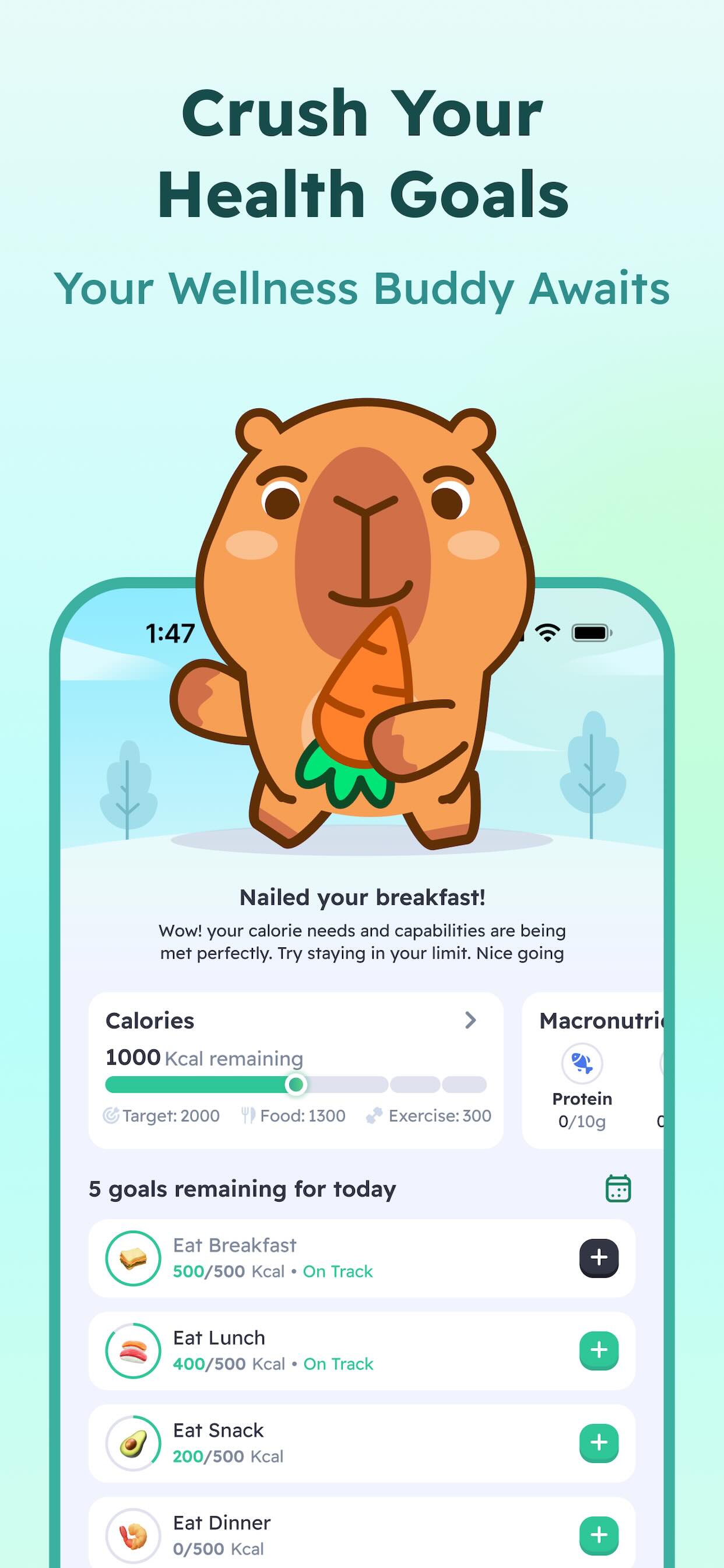
CapyCal's AI-powered nutrition tracking takes the guesswork out of protein management. Capy learns your preferences, suggests meals that hit your targets, and celebrates your wins along the way.
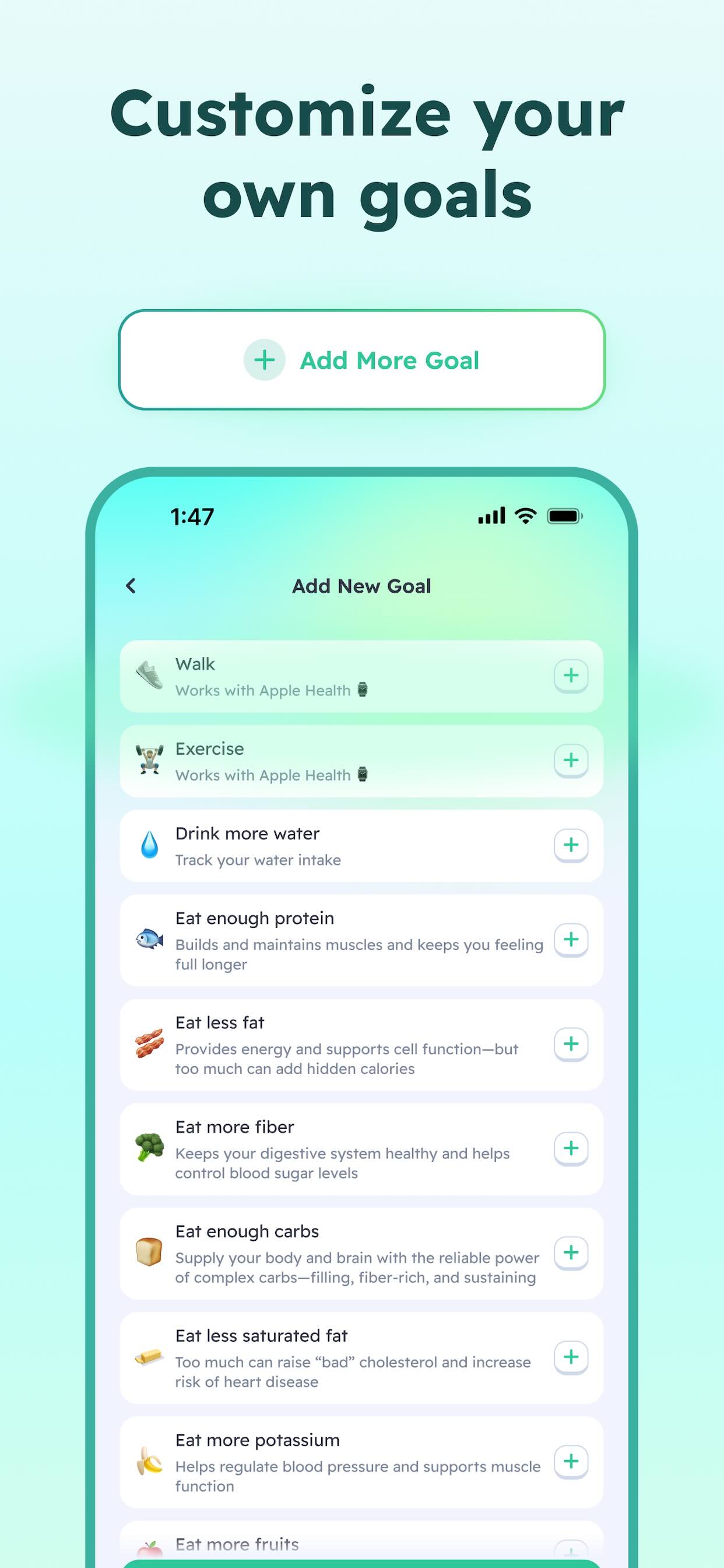
Unlike restrictive calculators, CapyCal's approach is about feeling good while staying on track. Get personalized insights, automatic macro tracking, and gentle guidance that fits your life.

Search our comprehensive food database or snap a photo. CapyCal's AI recognizes meals instantly.
Protein, carbs, and fats are tracked automatically. No manual math required.
Capy recommends meals and snacks to help you hit your targets. Feel good about your choices.
See daily, weekly, and monthly trends. Celebrate wins and adjust as needed.
Transform your relationship with food and fitness. Download CapyCal and get personalized nutrition tracking that feels natural, not restrictive.

Not necessarily. While protein is important, your body can only use so much at once. Our calculator provides science-based recommendations tailored to your goals. Going significantly higher won't provide additional benefits and may stress your kidneys. It's about the right amount for your specific situation.
Absolutely! Plant-based proteins like lentils, tofu, tempeh, and nuts provide all the amino acids your body needs. You may need a slightly larger quantity by weight, but combining different plant sources creates complete protein profiles. Many people thrive on plant-based diets while meeting their fitness goals.
What matters most is meeting your daily protein target throughout the day. While there's some research on post-workout nutrition, spacing protein evenly across meals is more important than hitting an exact window. Focus on consistency and total daily intake.
Recalculate if your body weight changes by 10+ pounds, if you significantly change your activity level, or if you switch fitness goals. For most people, recalculating every 3-6 months keeps your targets relevant and supportive of your progress.
Not at all! Whole foods are always the foundation. Protein powder can be convenient for busy days or post-workout shakes, but isn't required. Focus on whole food sources first, and use supplements only if they genuinely help you meet your targets.