

What Actually Affects How Your Body Burns Energy
Your metabolism gets blamed for everything. Too slow? That's why you're struggling. Too fast? Lucky you. But the reality is far more nuanced—and empowering.
Metabolism isn't some mysterious dial you're born with and can't change. It's a complex biological system that responds to what you do, how you move, what you eat, and even how you sleep. Understanding what actually controls your metabolic rate—and what you can't control—is the first step to working with your body instead of against it.
What Is Metabolism, Really?
Most people think metabolism is just the speed at which you burn calories. But that's like saying a car is just the dashboard—technically related, but missing the whole picture.
Metabolism refers to all the chemical processes your body uses to convert food into energy and build or repair tissues. It's not one number. It's not "fast" or "slow" in any absolute sense. Instead, your metabolic rate—how much energy your body uses in a given time—is the result of multiple interconnected systems working simultaneously.
Think of it this way: right now, your body is using energy to keep your heart beating, maintain your body temperature, process thoughts, digest food from your last meal, rebuild muscle tissue, and dozens of other invisible biological tasks. That's your metabolism at work. And the total amount of energy burned depends on many factors.
The 4 Components of Your Metabolic Rate
Your total daily energy expenditure breaks down into four main categories:
1. Resting Metabolic Rate (RMR)
The energy your body uses at rest—keeping organs functioning, maintaining body temperature, supporting brain activity. This accounts for approximately 60-75% of your total daily energy expenditure, and it's heavily influenced by muscle mass, age, hormones, and genetics.
2. Thermic Effect of Food (TEF)
The energy required to digest, absorb, and process the food you eat. Different nutrients require different amounts of energy: protein requires about 20-30% of its calories to process, carbohydrates around 5-10%, and fats about 0-3%. This accounts for roughly 10% of your daily energy expenditure.
3. Non-Exercise Activity Thermogenesis (NEAT)
The energy burned through all movement that isn't structured exercise: fidgeting, maintaining posture, occupational activity, and general daily movement. This is incredibly variable between individuals and can account for 15-30% of total energy expenditure—sometimes more.
4. Exercise Activity Thermogenesis (EAT)
Energy burned during intentional, structured exercise. This is typically the smallest component (5-10%), but it's the one people focus on most. The actual energy cost of the exercise itself is usually less impactful than the other factors combined.
Busting Common Metabolism Myths
So much of what people "know" about metabolism is wrong. Let's set the record straight:
Myth: Eating Less Slows Your Metabolism
The "starvation mode" narrative is overblown. Your body does adapt to lower energy availability through complex hormonal changes (reduced thyroid function, altered cortisol, changes in leptin), but this doesn't happen dramatically or quickly. Mild restrictions don't trigger metabolic collapse. Extreme, prolonged undereating does produce metabolic adaptation, but it's far more modest than popular fitness culture suggests—typically 10-15% reduction, not 50%.
Myth: Certain Foods Boost Your Metabolism
Hot peppers won't significantly speed up your metabolism. Green tea won't transform your energy expenditure. While some foods do have a higher thermic effect (protein, notably), no food significantly "revs up" your metabolic rate on its own. Food is energy, not a metabolic accelerator.
Myth: You Need to Eat Frequently to Keep Metabolism Fast
Meal frequency doesn't meaningfully affect your metabolic rate. Whether you eat three meals, five small meals, or practice intermittent fasting, your total energy expenditure is determined by the total food consumed and your activity level, not how many times you eat. Some people feel better with frequent eating; others do better with fewer meals. Pick what works for your energy and hunger, not what you think will "boost" metabolism.

What Actually Affects Your Metabolic Rate
Some factors genuinely do shift your metabolic rate. Understanding these separates science from myth:
Muscle Mass
Muscle tissue is metabolically active—it requires energy to maintain, even at rest. More muscle means a higher resting metabolic rate. This is one of the few metabolic factors you have meaningful control over. Building strength through resistance training increases your baseline energy expenditure.
Age
Metabolic rate naturally declines with age, roughly 3-8% per decade after age 30. This is partly due to muscle loss, hormonal changes, and reduced cellular energy efficiency. But it's not inevitable—maintaining muscle mass and staying active slows this decline significantly.
Hormones
Thyroid hormones are the primary regulators of metabolic rate. When thyroid function is optimal, metabolism works as expected. Conditions like hypothyroidism reduce metabolic rate; hyperthyroidism increases it. Cortisol (stress hormone), insulin, estrogen, and testosterone also influence energy expenditure. These are largely outside conscious control but responsive to sleep, stress management, and overall health.
Sleep Quality
Poor sleep disrupts hormonal balance (increasing cortisol, reducing leptin) and increases hunger while slightly reducing overall energy expenditure. Consistent, quality sleep supports healthy metabolic function and better decision-making around eating and activity.
Genetics
You're born with a genetic baseline for metabolic efficiency. Some people naturally have higher or lower metabolic rates due to inherited differences in mitochondrial function, hormone sensitivity, and cellular energy processes. This sets your starting point but doesn't determine your destination.
Ready to Understand Your Energy?
CapyCal reveals your real metabolic patterns—not myths, not guesses. Track what actually matters and see how your body responds.
Explore CapyCalWhat You Can Control (and What You Can't)
Here's the clarity you need: some metabolic factors respond to your choices. Others don't. Focusing on what you can actually influence makes all the difference.
What You CAN Control:
- Muscle mass — Build and maintain muscle through resistance training and adequate protein
- Physical activity level — Both structured exercise and daily movement (NEAT) are within your control
- Sleep quality — Prioritize consistent sleep duration and sleep hygiene
- Stress management — Reduce chronic stress through activities that work for you
- Nutritional choices — What, when, and how much you eat is your decision
- Hydration — Adequate water supports optimal metabolic function
What You CANNOT Control:
- Your genetic baseline — Starting metabolic rate is inherited
- Age-related changes — Metabolic decline with age is natural, though it's slowed by staying active
- Pre-existing health conditions — Thyroid disorders, PCOS, and other conditions affect metabolism independently
- Certain medications — Some medications alter metabolic rate as a side effect
- Basic hormonal patterns — While some hormones respond to lifestyle, your baseline hormone profile is set
The key insight: Your metabolic rate matters far less than how you work with it. Two people with identical metabolic rates will have completely different results based on their choices around activity, eating patterns, and lifestyle. Stop comparing your metabolism to someone else's. Understand your own.
How to Work WITH Your Metabolism, Not Against It
Rather than trying to "fix" or "boost" your metabolism, the strategy is simpler: optimize the factors under your control and stop fighting your biology.
1. Prioritize Movement—All Kinds
Structured exercise matters, but don't overlook NEAT. Walking, fidgeting, standing, occupational activity, and general movement collectively burn more energy than gym sessions for most people. Find ways to move more throughout your day. This is more sustainable and significant than expecting a 30-minute workout to transform your metabolic rate.
2. Build and Maintain Muscle
Resistance training is the one metabolic intervention with the strongest evidence. Muscle tissue requires energy at rest. Build strength in ways you actually enjoy—whether that's weights, bodyweight exercises, or resistance bands. Consistency matters more than perfection.
3. Don't Undereat
Severe restriction triggers metabolic adaptation and makes life harder. Eat enough to support your activity level and feel good. If you want to shift your body composition, do it gradually with sustainable energy levels, not through extreme approaches that depress metabolic health.
4. Optimize Sleep and Stress
These affect hormones that influence metabolic rate and—more importantly—your eating decisions, hunger signals, and energy levels. Getting consistent sleep and managing stress aren't metabolic hacks; they're metabolic foundations.
5. Focus on What Works for You
There's no universal "best" eating pattern. Intermittent fasting, frequent meals, low-carb, plant-based—what matters is finding an approach you can sustain that aligns with your hunger, energy, and goals. Your metabolism will adapt to whatever consistent pattern you establish. Make it something you can actually live with.
Understanding Your Energy Patterns With CapyCal
The challenge with metabolism isn't the science—it's personalization. What works for someone else's body might not work for yours. And without tracking, you're essentially guessing at the signals your body sends.
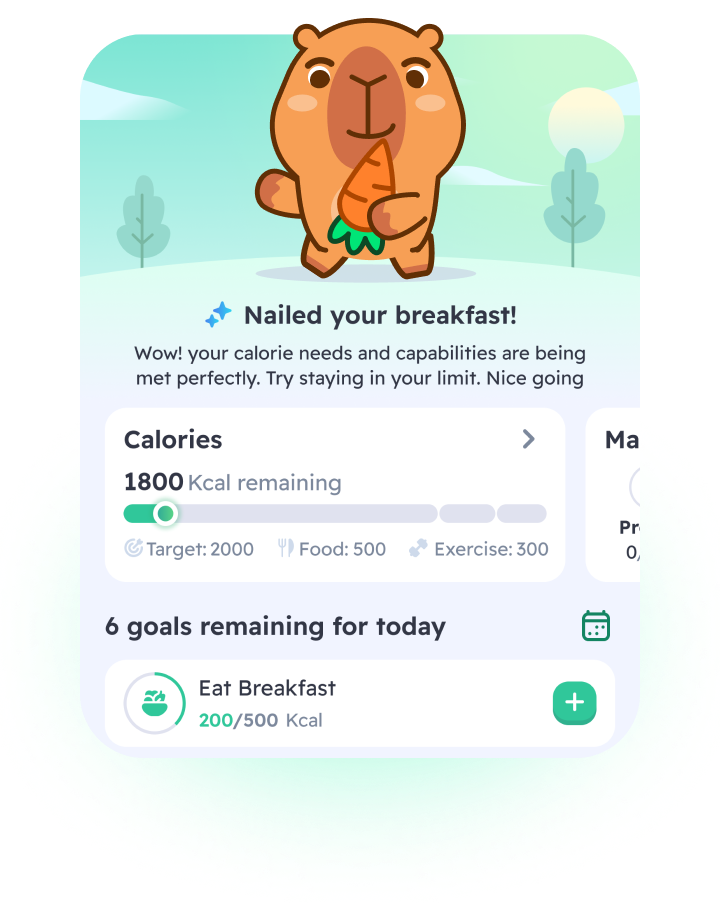
CapyCal helps you move beyond guesses. By tracking your food and energy patterns over time, you start seeing your metabolic reality—not general principles, but your actual response to different foods, activity levels, sleep, and stress. You learn whether you feel better with more frequent eating or fewer meals. You see how different activities truly affect your energy. You notice patterns between sleep quality and hunger the next day.
This personalized understanding is infinitely more valuable than knowing general metabolic principles. You stop comparing yourself to generic advice and start optimizing based on what your body actually tells you.
Your metabolism isn't broken. It's not a mystery. It's your body's way of managing energy, and it responds to the choices you make—when you understand what actually matters.
Start Tracking Your Real Metabolic Patterns
Stop guessing. Stop comparing. Start understanding how your body actually burns energy and responds to your choices.
Download CapyCal TodayUnderstanding your metabolism empowers better choices. Knowledge beats guesswork every time.