

Your Body Just Did Something Incredible — Be Patient With It
Your body has just accomplished something extraordinary. Over nine months, it grew an entirely new human. Over perhaps hours or days, it brought that human into the world. Right now, as you're reading this (possibly while feeding your baby, or possibly while standing in the kitchen at 2 a.m.), your body is still doing miraculous work.
You might not feel miraculous. You might feel tired, sore, emotional, overwhelmed, or all of the above. And that's completely valid. This is one of the most transformative periods of your life, and your body deserves compassion, not pressure.
A gentle reminder:
There is no timeline for "getting back" to anything. Your body isn't broken. It's recovering, healing, and potentially nourishing new life. The goal right now isn't to lose weight or fit into old jeans—it's to fuel yourself with kindness and the nutrients your body needs to heal.
This guide is about nourishment, not restriction. It's about giving your body what it needs while you navigate the beautiful chaos of new motherhood. Let's talk about that nourishment.
Key Nutrients for Postpartum Recovery
After pregnancy and childbirth, your body needs specific nutrients to heal, recover energy, and maintain strength. Here are the nutrients that matter most right now:
Iron
Pregnancy and childbirth can deplete your iron stores, especially if you experienced significant blood loss. Iron is essential for rebuilding your blood supply and preventing postpartum anemia, which can contribute to fatigue and mood changes.
Where to find it: Red meat, poultry, beans, lentils, leafy greens, fortified cereals, and dried fruits.
Calcium & Vitamin D
Your body uses calcium to rebuild bones and support muscle function. If you're breastfeeding, your baby will also draw calcium from your body, so replenishing it is crucial for both your long-term bone health and your current recovery.
Where to find it: Dairy products, fortified plant-based milks, leafy greens, sardines, and eggs. Get vitamin D from sunlight, fatty fish, and fortified foods.
Omega-3 Fatty Acids
These are powerful anti-inflammatory compounds that support brain health, mood, and tissue repair. Omega-3s are particularly important during the postpartum period when your body is healing.
Where to find it: Fatty fish (salmon, mackerel, sardines), walnuts, flaxseeds, chia seeds, and hemp seeds.
Protein
Protein is essential for tissue repair, immune function, and building muscle. Your body is healing wounds (whether from childbirth or surgery), and protein is one of the main building blocks it needs.
Where to find it: Meat, poultry, fish, eggs, dairy, beans, lentils, nuts, and seeds.
Hydration
This might seem obvious, but it's crucial. Your body needs water to produce milk (if breastfeeding), regulate body temperature, support healing, and maintain energy. Many postpartum mothers are severely dehydrated without realizing it.
Where to find it: Water, herbal tea, bone broth, electrolyte drinks, and hydrating foods like fruits and vegetables.
Breastfeeding Nutrition: What Your Body Needs
If you're breastfeeding, your nutritional needs are higher than they were during pregnancy. Your body is producing milk, which requires energy and nutrients. This isn't about eating "more" in a restrictive way—it's about eating enough to support both yourself and your baby.
Energy needs: Breastfeeding typically requires an additional 300-500 calories per day, though this varies based on milk supply and individual metabolism. Rather than obsessively counting, focus on eating when you're hungry and choosing nourishing foods.
Nutrient density matters more than quantity. A handful of nuts is more nourishing than a bag of crackers, even if the calories are similar. Your body and your baby benefit from the nutrients in whole foods.
- Drink plenty of water. Thirst is your body's signal that you need hydration. Keep a water bottle nearby while nursing or pumping.
- Eat protein at every meal. This supports your body's ongoing repair and milk production.
- Include healthy fats. These support your baby's brain development and your own hormonal health.
- Eat diverse foods. Different foods introduce your baby to different flavors through your milk, which is wonderful for their developing palate.
- Listen to your hunger. Your body knows what it needs. Honor that hunger with kindness.
A note on supply and nutrition:
Your milk supply is determined primarily by frequent nursing or pumping, not by how much you eat. However, severe restriction or dehydration can affect your energy, mood, and overall wellbeing. Nourish yourself well because you matter, not just because it affects milk supply.
Quick, Nourishing Meal Ideas for Exhausted Parents
You're exhausted. The last thing you need is complicated recipes. Here are meal ideas you can actually eat while caring for a newborn:

Breakfast Ideas
Mix oats, yogurt, milk, and frozen berries before bed. Grab it in the morning. Includes protein, calcium, and carbohydrates.
Eggs cook in minutes, provide protein and choline (great for brain health), and pair perfectly with whole-grain toast and avocado.
Blend frozen fruit, yogurt, milk, nut butter, and spinach. You can drink it one-handed while feeding your baby. Protein, calcium, fruits, and vegetables in one cup.
Lunch & Dinner Ideas
Store-bought rotisserie chicken (no cooking required!) with rice or sweet potato, roasted vegetables, and a drizzle of olive oil. Protein, carbs, and nutrients in minimal effort.
Place salmon and vegetables on a sheet pan with olive oil, salt, and pepper. Bake at 400°F for 12-15 minutes. Omega-3s, protein, and minimal cleanup.
Add beef or chicken, vegetables, and broth in the morning. Dinner is ready in the evening. Protein, iron, and veggies with zero effort during the day.
Brown ground turkey or beef with canned tomatoes and garlic. Serve over pasta with parmesan. Comfort food that nourishes you.
Snacks to Keep on Hand
- Nuts and seeds (almonds, cashews, pumpkin seeds)
- Hard-boiled eggs
- Cheese and whole-grain crackers
- Greek yogurt with berries
- Nut butter on apple slices
- Hummus with vegetables or whole-grain crackers
- String cheese
- Trail mix with dried fruit and nuts
Meal prep tip with grace:
If you have friends or family asking how to help, ask them to bring freezer meals. Soups, stews, casseroles, and prepared proteins freeze beautifully. You don't need fancy meals—you need easy meals that you can reheat while holding your baby.
Track Your Nourishment With Kindness
CapyCal makes it easy to understand your nutrition without pressure or judgment. See how your body is being fueled, and celebrate every nourishing choice you make.
Download CapyCal FreeWhen and How to Think About Your Weight — Gently
Let's address the elephant in the room: weight. Our culture puts enormous pressure on postpartum mothers to lose weight quickly, and this pressure is harmful. It can contribute to exhaustion, nutrient deficiency, and shame at a time when you need compassion most.
Here's the truth: your body may naturally return to its pre-pregnancy weight, or it may not. Either way, you're not failing. Weight is influenced by genetics, hormones, sleep, stress, breastfeeding, and countless other factors—many of which are outside your control right now.
If and when you decide to focus on weight:
Most health professionals recommend waiting until at least 6 weeks postpartum (longer if you had a caesarean delivery or complications) before considering any intentional changes. If you're breastfeeding, waiting until supply is well-established (usually 3-4 months) is even better. And honestly? Waiting until you're sleeping more than 2-3 hours at a time might be more realistic.
If you do decide to focus on your weight, the goal should be gentle movement you enjoy and eating enough nourishing food—not restriction. Your body needs fuel to recover, and severe restriction can affect your mood, energy, immune function, and milk supply if breastfeeding.
The real goal: Feeling good in your body. Having energy to care for your baby. Healing from the incredible physical transformation you just experienced. Your body is amazing exactly as it is right now.
Why Tracking Can Help (Without Becoming Obsessive)
Now, you might be thinking: "Isn't tracking food obsessive? Won't it stress me out?" If you've struggled with disordered eating in the past, tracking might not be for you, and that's completely okay. But for many people, gentle tracking can actually reduce stress by providing insight into what's fueling your body.
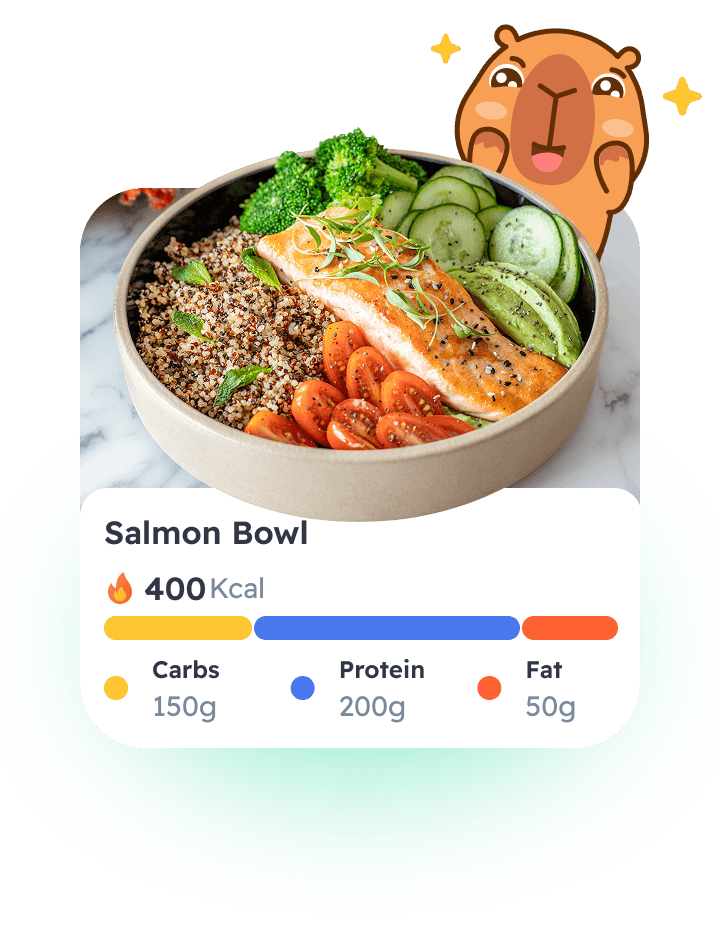
When tracking helps:
- You're noticing you feel exhausted and want to understand if you're eating enough
- You're curious about whether you're getting enough iron, calcium, or other nutrients
- You want to see patterns in what foods make you feel energized versus depleted
- You're breastfeeding and wondering if your energy levels match your needs
When to skip tracking:
- You have a history of disordered eating or eating disorders
- Tracking makes you anxious or brings up shame
- You find yourself being rigid about numbers instead of listening to your body
- It takes emotional energy you need for your baby
The point of tracking isn't perfection or hitting certain numbers. It's understanding. It's noticing: "Oh, I realized I barely ate vegetables today, no wonder I feel a bit depleted." Or: "I see I'm eating plenty of protein, which makes sense that I'm feeling stronger." It's data in service of self-compassion, not data in service of restriction.
How CapyCal Supports New Moms With Kindness
CapyCal is built differently from other nutrition apps. We're not here to shame you, judge you, or push you toward restriction. We're here to support you in understanding and nourishing your body.
What makes CapyCal different for postpartum nutrition:
- No shame, no judgment. Track when it feels right. Skip it when it doesn't. Your body, your choice.
- Focus on nourishment. We celebrate the nutrients that matter right now—iron, calcium, omega-3s, protein, hydration—not restrictive metrics.
- Breastfeeding support. We understand that breastfeeding increases your nutritional needs, and we account for that without pressure.
- Gentle insights. See patterns in your nutrition that help you understand how to fuel yourself, without any "shoulds" attached.
- Your pace, your timeline. Whether you want to track for a month, a year, or just a few days, we're here to support whatever serves you best right now.
You're doing amazing:
You grew a human. You brought that human into the world. You're now caring for that human, possibly while healing your body, managing hormonal changes, sleep deprivation, and the most profound life change you've ever experienced. You're doing amazing. Your body is amazing. And you deserve to be nourished with kindness.
Postpartum nutrition isn't about restriction, timelines, or pressuring your body to be something it's not. It's about fueling yourself so you can be present for your baby and for yourself. It's about recognizing that you've just done something extraordinary, and your body deserves the same compassion and nourishment you'd give to anyone you love deeply.
Be patient with yourself. Eat when you're hungry. Rest when you can. Celebrate the strength of your body. And know that wherever you are in your postpartum journey—whether it's day one or month six—you're exactly where you need to be.
Your Body Deserves This Kind of Support
Download CapyCal today and start tracking your nutrition with kindness, not pressure.
Get Started Free