
Nutritious Meals for Under $5 Per Serving
The Myth: Healthy Eating Has to Be Expensive
Let's bust this myth right now. One of the biggest barriers people face when trying to eat healthier is the belief that nutritious food costs more. Between organic superfoods, boutique health stores, and influencer-approved ingredients, it's easy to think wellness is a luxury.
Here's the truth: eating nutritious, whole foods that fuel your body doesn't require a premium price tag. In fact, some of the most affordable foods you can buy are packed with nutrients that support your goals.

Whether you're on a tight budget, feeding a family, or just looking to reduce food waste, budget-friendly nutrition is absolutely achievable. This guide proves it with real meal ideas, cost breakdowns, and practical strategies you can start today.
Budget-Friendly Nutrition Powerhouses
These humble ingredients are nutritional workhorses that won't break the bank. When you build meals around these staples, you're setting yourself up for success:
Dried Beans & Lentils
High in fiber and plant-based protein, incredibly cheap in bulk. Cook a big batch and portion for the week.
~$0.50–1.00 per pound
Eggs
Complete protein, versatile, and one of nature's most affordable superfoods. Boil them for quick snacks or add to any meal.
~$0.20–0.40 per egg
Oats
Whole grain carbs, soluble fiber, and sustained energy. Buy in bulk for maximum savings.
~$0.15–0.30 per serving
Frozen Vegetables
Just as nutritious as fresh, often cheaper, and they last longer. No waste, full nutrients.
~$1.00–2.00 per pound
Brown Rice & White Rice
Affordable carbs that stretch every meal. Buy in bulk for pennies per serving.
~$0.10–0.20 per serving
Chicken Thighs
Cheaper than breast, more forgiving to cook, full of flavor and nutrients.
~$1.50–3.00 per pound
Bananas
Cheapest fruit option, portable, naturally sweet, and packed with potassium.
~$0.10–0.20 per banana
Canned Tuna & Salmon
Shelf-stable protein that requires zero cooking. Perfect for quick meals.
~$0.80–1.50 per can
10 Nutritious Meals Under $5 Per Serving
Here are real, filling meals with actual calorie and protein content. All of these assume buying ingredients at reasonable retail prices—bulk options will cost even less.
1. Black Bean & Rice Bowl with Salsa
Cooked black beans + brown rice + frozen pepper medley + salsa + lime
2. Egg & Oat Breakfast Scramble
2 eggs + oatmeal + banana + cinnamon
3. Lentil Soup with Vegetables
Dried lentils + carrots + celery + onion + broth + frozen spinach
4. Chicken Thigh & Frozen Broccoli Stir-Fry
Chicken thigh + frozen broccoli + soy sauce + garlic + brown rice
5. Tuna & White Bean Salad
Canned tuna + white beans + diced tomato + olive oil + lemon juice
6. Sweet Potato & Black Bean Tacos
Roasted sweet potato + black beans + tortillas + salsa + cabbage
7. Chickpea Curry with Spinach
Canned chickpeas + onion + garlic + canned tomato + frozen spinach + coconut milk (lite) + rice
8. Vegetable Fried Rice with Egg
Cooked rice + 2 eggs + frozen mixed vegetables + soy sauce + sesame oil
9. Pasta with Marinara & Beans
Whole grain pasta + canned marinara + white beans + frozen spinach + garlic
10. Oatmeal Breakfast Bowl
Oats + peanut butter + banana + berries (frozen or fresh) + milk or water
Track Your Nutrition, Any Budget
Make sure your budget meals hit your nutrition goals. CapyCal tracks macros, micros, and everything in between.
Download CapyCal FreeSmart Shopping Strategies
Eating healthy on a budget isn't just about knowing which foods to buy. It's also about how and when you buy them.
- Buy Seasonal: Seasonal produce is cheaper and tastes better. Check what's in-season where you live and build meals around it.
- Frozen > Fresh (Sometimes): Frozen vegetables and fruit are frozen at peak ripeness, so they retain nutrients and last longer. Often cheaper too.
- Buy in Bulk: Dried beans, rice, oats, and nuts are dramatically cheaper when purchased in bulk. Warehouse clubs like Costco or Sam's Club pay for themselves quickly.
- Plan Your Meals: A simple meal plan prevents impulse buys and food waste. Shop with a list and stick to it.
- Shop the Sales and Stock Up: When staples like rice, beans, canned tuna, or eggs go on sale, buy extra. You'll use them.
- Skip the Convenience Tax: Pre-cut vegetables, pre-cooked rice, and pre-portioned snacks cost 2–3x more. Spend 10 minutes to save dollars.
- Choose Store Brands: Store-brand staples are just as good and often 30–50% cheaper. No difference in nutritional value.
- Check Unit Prices: Don't compare sticker prices—compare cost per ounce or per serving. Bigger isn't always better.
Batch Cooking: The Budget Eater's Superpower
If you want to eat well on a budget, batch cooking is your secret weapon. Spend 2–3 hours on Sunday cooking large batches of staples, and you've got meals ready for the entire week.
Here's a simple batch cooking routine:
- Cook 2–3 cups of dried beans or lentils and portion into containers. Use throughout the week in bowls, salads, or soups.
- Cook 2–3 pounds of chicken thigh or ground turkey, seasoned simply, and portion for mix-and-match meals.
- Cook 4–6 cups of brown rice for side dishes and bowls.
- Roast 2–3 sheet pans of mixed vegetables (broccoli, carrots, zucchini, sweet potato) with olive oil and salt.
- Boil a dozen eggs for quick protein-packed snacks or salad toppings.
Now you can mix and match these components into unlimited meals. A bowl of rice + beans + roasted vegetables is completely different from rice + chicken + vegetables. The prep work is done; assembly takes 5 minutes.
How to Make Sure Cheap Meals Are Still Nutritious
Budget meals are only worth it if they're actually good for your body. Here's how to ensure your inexpensive meals are also genuinely nutritious:
Balance Your Macronutrients
Every meal should include a protein source (beans, eggs, chicken, tuna), a carb (rice, oats, potatoes, bread), and fiber (vegetables, legumes, whole grains). This balance keeps you satisfied and fueled.
Prioritize Whole Foods Over Processed
Whole foods cost less per calorie than processed alternatives. A pound of rice is cheaper than a box of flavor-packed rice packets. A chicken thigh is cheaper than a frozen meal.
Eat the Rainbow (Even if It's Frozen)
Different colored vegetables have different nutrients. Buy frozen mixes—they're affordable and ensure you're getting variety. Green, orange, red, and yellow vegetables all matter.
Don't Skip the Fiber
Beans, lentils, oats, and whole grains are cheap sources of fiber that keep you full and support digestion. They're also nutrient-dense powerhouses.
Track What You Eat
You don't need expensive supplements or fancy foods to hit your nutrition goals. But you do need to know if you're getting enough protein, calories, and micronutrients. Tracking helps.
How CapyCal Helps You Track Nutrition on Any Budget
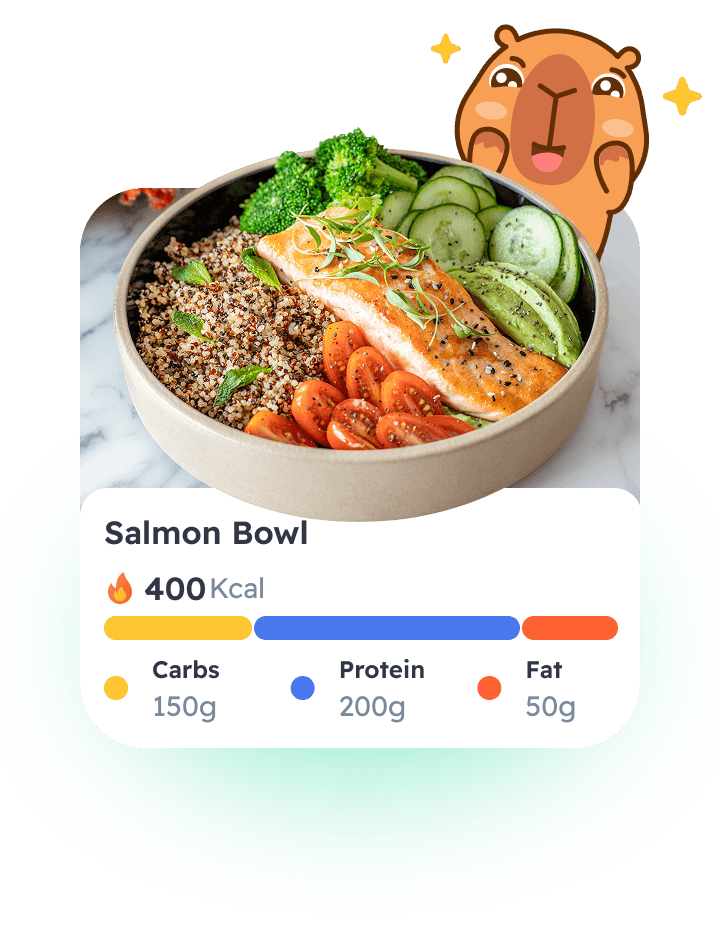
Here's the thing: eating cheap doesn't mean eating blind. You want to make sure those budget meals actually hit your nutritional targets. That's where CapyCal comes in.
CapyCal lets you log every meal and see your complete nutritional picture. Track protein, carbs, fats, fiber, vitamins, minerals, and more. Whether you're eating a $2.50 black bean bowl or a $4.99 chicken stir-fry, you'll know exactly how it's fueling your body.
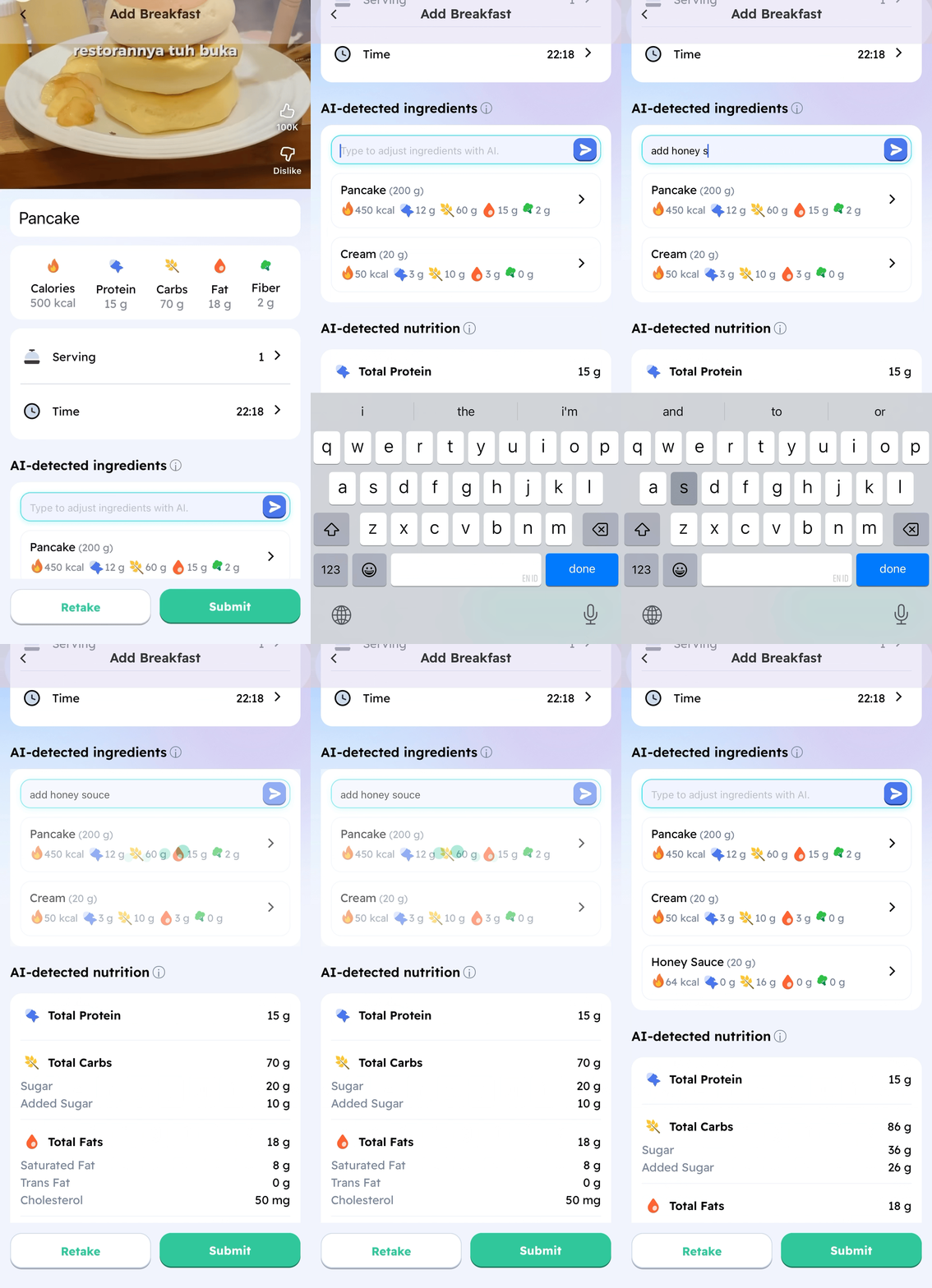
Use CapyCal to:
- Log meals in seconds with our massive food database
- See your macros (protein, carbs, fat) at a glance
- Track micronutrients like iron, calcium, and vitamin D
- Adjust portions and recipes easily
- Create meals that fit your budget and your nutrition goals
- Build meal plans based on what you can actually afford
Budget and nutrition aren't mutually exclusive. With smart shopping, batch cooking, and tracking tools like CapyCal, you can eat well on any budget.
Ready to Eat Well Without Breaking the Bank?
Start tracking your budget meals with CapyCal. See your nutrition in real time and build sustainable eating habits that actually work for your life.
Download CapyCal Free Today