
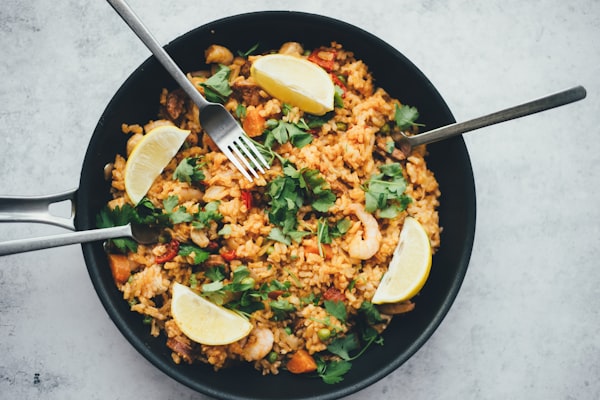
Whether you're vegetarian by choice, exploring meatless meals, or simply looking to add more plant-based variety to your diet, hitting your protein goals doesn't require meat. With the right combination of plant-based ingredients, you can create satisfying, nutrient-dense meals that keep you energized and support your body's needs.
The key to vegetarian high-protein eating is understanding which plant sources provide complete proteins—those containing all nine essential amino acids—and how to combine incomplete proteins strategically. Let's explore 15 recipes that make plant-based protein delicious and accessible.
Understanding Plant-Based Proteins
Before diving into recipes, it's helpful to understand the main plant protein sources and how they work together.
Complete Plant Proteins (All 9 Essential Amino Acids)
Tofu and Tempeh: Soy-based products containing all essential amino acids. Tofu is versatile and absorbs flavors beautifully, while tempeh has a firmer texture and nuttier taste. A 100g serving of firm tofu contains about 15g of protein.
Quinoa: A grain that's technically a seed, quinoa is one of the few plant sources with a complete amino acid profile. One cooked cup provides roughly 8g of protein and makes an excellent base for Buddha bowls and salads.
Hemp Seeds and Chia Seeds: These tiny powerhouses pack about 10g of protein per 3 tablespoons and include omega-3 fatty acids. Sprinkle them on yogurt, blend into smoothies, or add to salads.
Buckwheat: Despite its name, buckwheat is gluten-free and contains all essential amino acids. Use it as a porridge, in salads, or as a grain base for grain bowls.
Incomplete Proteins (Combine for Complete Amino Acid Profile)
Lentils: Available in red, green, and black varieties, lentils are protein superstars with 18g of protein per cooked cup. They're rich in fiber and incredibly versatile in soups, stews, and salads.
Chickpeas: These creamy legumes deliver 15g of protein per cooked cup and work in everything from curries to salads to homemade hummus. They're also rich in iron and folate.
Black Beans and Other Legumes: Beans of all types provide around 15g of protein per cooked cup. Combined with grains like rice or pasta, they form complete proteins.
Edamame: Young soybean pods contain about 18g of protein per cooked cup and make a satisfying snack or addition to stir-fries and grain bowls.
Nuts and Seeds: Almonds, peanuts, sunflower seeds, and pumpkin seeds provide 5-8g of protein per ounce. They're calorie-dense, so portion sizes matter, but they're excellent for snacking or adding crunch to meals.
The 15 Protein-Packed Vegetarian Recipes
1. Crispy Tofu Stir-Fry with Brown Rice
Press firm tofu to remove excess moisture, cube, and pan-fry until golden. Toss with sesame oil, soy sauce, ginger, and your favorite vegetables like broccoli, bell peppers, and snap peas. Serve over brown rice. This meal delivers approximately 22g of protein per serving, with a perfect balance of complete protein from the tofu and complex carbohydrates from the rice.
2. Tempeh Bacon and Avocado Sandwich
Marinate tempeh strips in soy sauce, maple syrup, and smoked paprika, then pan-fry until crispy. Layer on whole grain bread with ripe avocado, lettuce, and tomato. Per serving: 18g of protein with healthy fats from avocado that promote satiety and nutrient absorption.
3. Lentil and Quinoa Buddha Bowl
Combine cooked red lentils, fluffy quinoa, roasted sweet potato, leafy greens, and tahini dressing. Top with pomegranate seeds and pumpkin seeds. This bowl offers 20g of protein and is packed with fiber for sustained energy. The combination of lentils and quinoa creates a complete amino acid profile.
4. Chickpea Curry with Coconut Rice
Sauté onions and garlic in coconut oil, add curry powder, turmeric, and cumin, then fold in canned chickpeas with coconut milk and spinach. Serve over coconut rice. This warming dish delivers 16g of protein per serving and includes anti-inflammatory spices that support overall wellness.
5. Black Bean and Quinoa Tacos
Seasoned black beans and fluffy quinoa as the "meat" for taco shells, topped with shredded cabbage, cilantro, lime crema, and salsa. Per taco: approximately 8g of protein, and the combination of beans and quinoa provides complete protein. Make a batch for easy meal prep.
6. Edamame Pasta Primavera
Toss whole wheat pasta with blanched edamame, fresh zucchini noodles, cherry tomatoes, fresh basil, and a light olive oil and garlic sauce. Finish with nutritional yeast for a cheesy flavor and extra B vitamins. Total protein: 20g per serving.
7. Tofu Scramble with Vegetables
Crumble seasoned firm tofu and sauté with onions, bell peppers, mushrooms, and spinach. Add turmeric for color and nutrient density. Serve with whole grain toast and avocado. This breakfast powerhouse contains 16g of protein and keeps you satisfied until lunch.
8. Lentil Soup with Roasted Vegetables
Simmer red and green lentils with carrots, celery, onions, and thyme in vegetable broth. Add roasted root vegetables for depth of flavor. One bowl delivers 14g of protein and is wonderfully warming and comforting—perfect for meal prep.
9. Tempeh Meatballs with Marinara
Blend steamed tempeh with breadcrumbs, nutritional yeast, garlic, and herbs, form into balls, and bake until golden. Serve with marinara sauce over whole wheat pasta or zucchini noodles. Each meatball contains about 5g of protein; enjoy 3-4 per serving.
10. Chickpea Buddha Bowl with Tahini Dressing
Roasted chickpeas, quinoa, roasted beets, kale, shredded carrots, and avocado, all drizzled with tahini-lemon dressing. Tahini adds richness and additional protein and minerals. Per bowl: 19g of protein and deeply nourishing.
11. Hemp Seed Smoothie Bowl
Blend Greek yogurt or plant-based yogurt with frozen berries, almond milk, and a tablespoon of hemp seeds. Pour into a bowl and top with granola, coconut flakes, fresh fruit, and more hemp seeds. The hemp seeds alone provide 10g of protein, and paired with yogurt, this bowl reaches 20g of protein for a satisfying breakfast.