The most common reason people abandon their weight loss efforts isn't lack of willpower—it's hunger. When you're constantly fighting that rumbling in your stomach, it doesn't matter how motivated you are. Your body will eventually win.
But here's the good news: losing weight and feeling satisfied aren't mutually exclusive. In fact, when you understand the science of satiety and use smart eating strategies, you can eat less while feeling genuinely full.
The Hunger Myth: Why Most Diets Fail
Most traditional diets are built on a false premise: that weight loss requires constant hunger. They restrict calories so severely that your body is in a perpetual state of deprivation, triggering intense cravings and making every meal feel unsatisfying.
This approach doesn't just feel terrible—it's neurologically working against you. When your body senses food scarcity, it triggers stronger hunger hormones, increases cravings for high-calorie foods, and actually slows your metabolism slightly as a survival mechanism.
The result? Most people can white-knuckle through a restrictive diet for a few weeks, but the constant battle with hunger eventually leads to abandonment. It's not a character flaw—it's biology.
The breakthrough is recognizing that weight loss doesn't require deprivation. It requires *satisfaction*. When you eat foods that genuinely make you feel full, you naturally eat less without fighting your hunger signals.
Understanding Satiety — What Actually Makes You Feel Full
Satiety is the feeling of fullness that signals your brain to stop eating. It's not just about stomach fullness—it's a complex interplay of hormones, nutrients, and physical volume.
Several factors determine how satisfied you feel after eating:
- Stomach stretch: Eating foods with high volume relative to calories (like vegetables and lean proteins) physically fills your stomach, triggering fullness signals.
- Nutrient composition: Protein, fiber, and whole grains trigger different satiety hormones than simple carbohydrates and refined foods.
- Eating pace: It takes about 20 minutes for fullness signals to reach your brain, so slower eating means more satisfaction.
- Food type: Some foods are genuinely more satisfying than others. A chicken breast with vegetables fills you up more than the same calories in cookies.
- Psychological satisfaction: Foods you genuinely enjoy eating have more staying power than "diet" foods you tolerate.
The key insight: you can eat more food (by volume) while eating fewer calories—as long as you're strategic about *what* you eat.
Volume Eating: More Food, Fewer Calories
Here's a principle that changes everything: you can eat substantially more food when you choose foods that are less calorie-dense.
Compare these two lunches:
- Option A: A large chicken breast (150g) with roasted broccoli and brown rice = approximately 550 calories and an enormous, satisfying meal that fills your plate completely.
- Option B: A couple of handfuls of nuts and a protein bar = approximately 550 calories and doesn't take up much space on your plate.
Both options have the same calories, but Option A leaves you much more satisfied because you're eating more *volume* of food.
The strategy: prioritize foods that are low in calories but high in volume. These include:
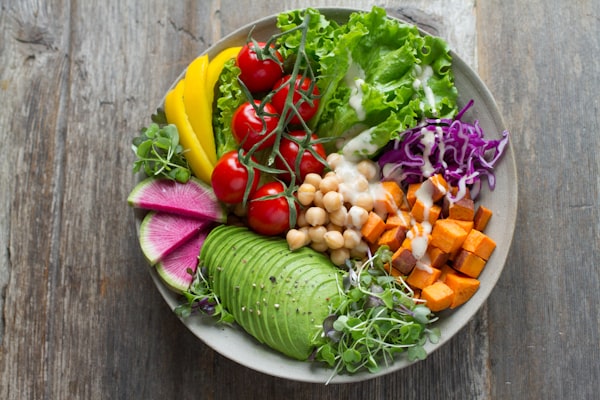
- Vegetables (especially non-starchy ones like leafy greens, broccoli, cauliflower, zucchini)
- Lean proteins (chicken breast, fish, turkey, Greek yogurt, egg whites)
- Whole grains in moderate portions (brown rice, oats, quinoa)
- Legumes (beans, lentils, chickpeas)
- Fruits with high water content (berries, watermelon, oranges)
When you build your meals around these foods, you can eat large, visually satisfying portions while naturally eating fewer calories.
The Protein Advantage
If there's one single change that makes the biggest difference in hunger and satiety, it's protein. Here's why: protein is the most satiating macronutrient. It keeps you fuller longer than carbohydrates or fat, and it also requires more energy to digest (a process called the thermic effect of food).
Beyond satiety, adequate protein helps preserve muscle during weight loss. This matters because muscle tissue is metabolically active—it helps maintain a healthy metabolism. When you're eating fewer calories, including enough protein ensures that weight loss comes primarily from fat, not muscle.
How much protein? Aim for approximately 0.7–1g per pound of your target body weight. For most people, this means including a solid protein source with every meal and snack:
- Breakfast: Eggs, Greek yogurt, cottage cheese, or protein powder
- Lunch & Dinner: Chicken, fish, turkey, lean beef, tofu, or legumes
- Snacks: Hard-boiled eggs, Greek yogurt, protein shake, or cheese
A practical tip: if you're struggling with hunger between meals, your first instinct should be to add more protein to your last meal, not to eat more overall.
Fiber: Your Secret Weapon
While protein gets most of the attention, fiber deserves equal credit for supporting satiety. Fiber adds volume to your food, slows digestion, and helps stabilize blood sugar—all of which contribute to feeling fuller longer.
The best part? Most fiber comes from foods that are very low in calories: vegetables, whole grains, fruits, and legumes. You can literally eat more food and feel fuller while eating fewer calories.
Practical sources of fiber:
- Vegetables: broccoli, Brussels sprouts, carrots, spinach, peppers (all 2–4g fiber per serving)
- Whole grains: oatmeal, whole wheat bread, brown rice (3–5g fiber per serving)
- Legumes: beans, lentils, chickpeas (6–8g fiber per serving)
- Fruits: raspberries, pears, apples (3–8g fiber per serving)
A simple strategy: at each meal, make sure half your plate is vegetables or whole grains. This guarantees adequate fiber and volume without overthinking it.
Hydration and Hunger Confusion
One of the most overlooked factors in weight loss is hydration. Thirst is often mistaken for hunger, leading people to eat when they actually just need water.
Beyond this common confusion, proper hydration supports satiety in a few ways:
- Water adds volume to your stomach without adding calories, increasing fullness signals.
- Dehydration can slow metabolism slightly and increase cravings for salty or sweet foods.
- Drinking water before meals naturally reduces portion sizes by creating early fullness.
A practical approach: drink water consistently throughout the day, and especially drink a glass of water 15–20 minutes before meals. This simple habit can reduce the amount you eat per meal without any feeling of deprivation.
Discover Your Own Satiety Patterns
Everyone's body is different. The foods that keep you most satisfied might be slightly different from someone else's ideal choices. The key is tracking what works *for you*—not following rigid rules.
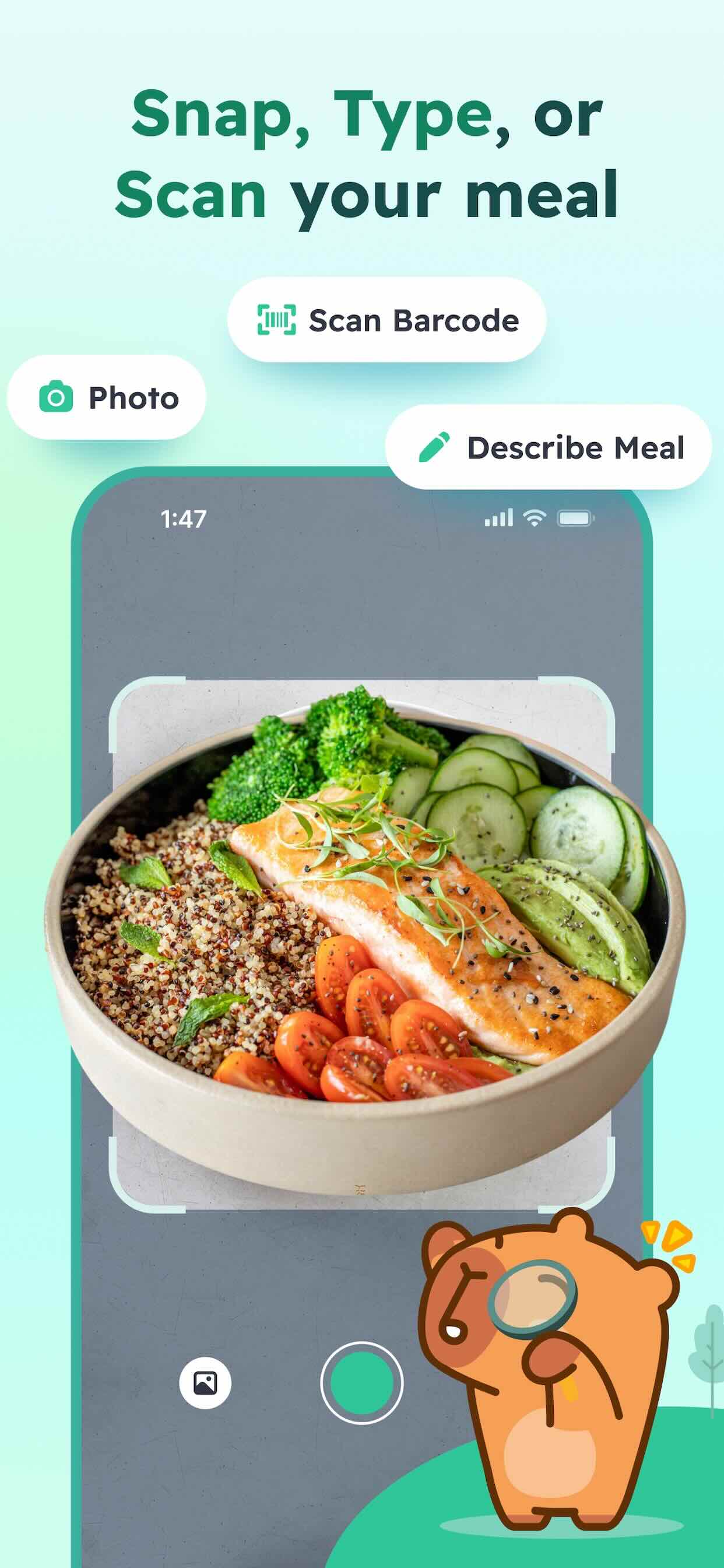
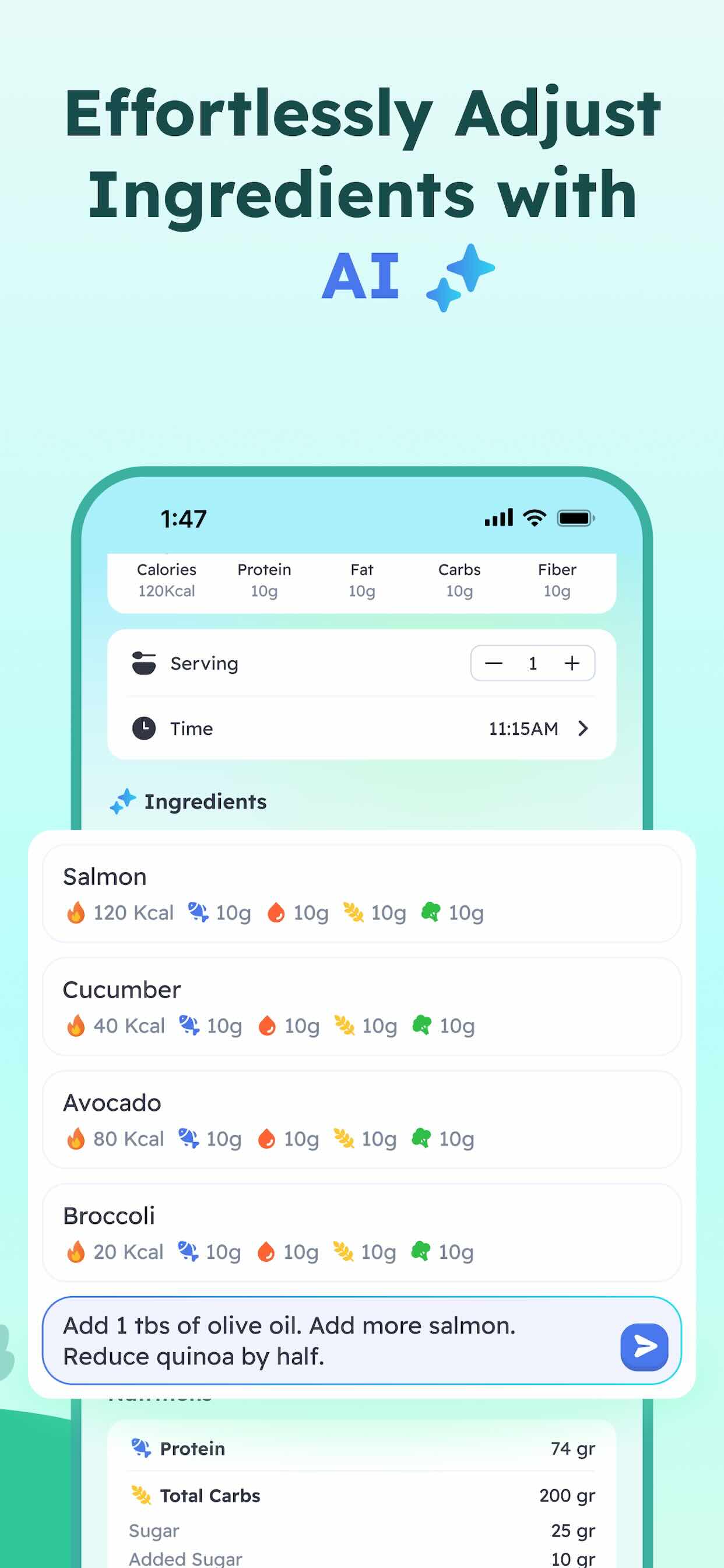
CapyCal makes this easy. Instead of forcing you into restrictive eating patterns, our app helps you discover which foods, meal timings, and portion sizes leave *you* feeling genuinely full and satisfied.
How Tracking Helps You Discover YOUR Patterns
The biggest advantage of tracking your eating isn't the number itself—it's the awareness. When you see what you're eating and how it makes you feel, patterns emerge. You start to notice which meals leave you satisfied for hours, and which ones leave you hungry 2 hours later.
Maybe you discover that your protein intake has been too low. Or that certain snacks trigger cravings more than others. Or that you feel most satisfied when your meals include vegetables. These personalized insights are worth far more than any generic diet plan.
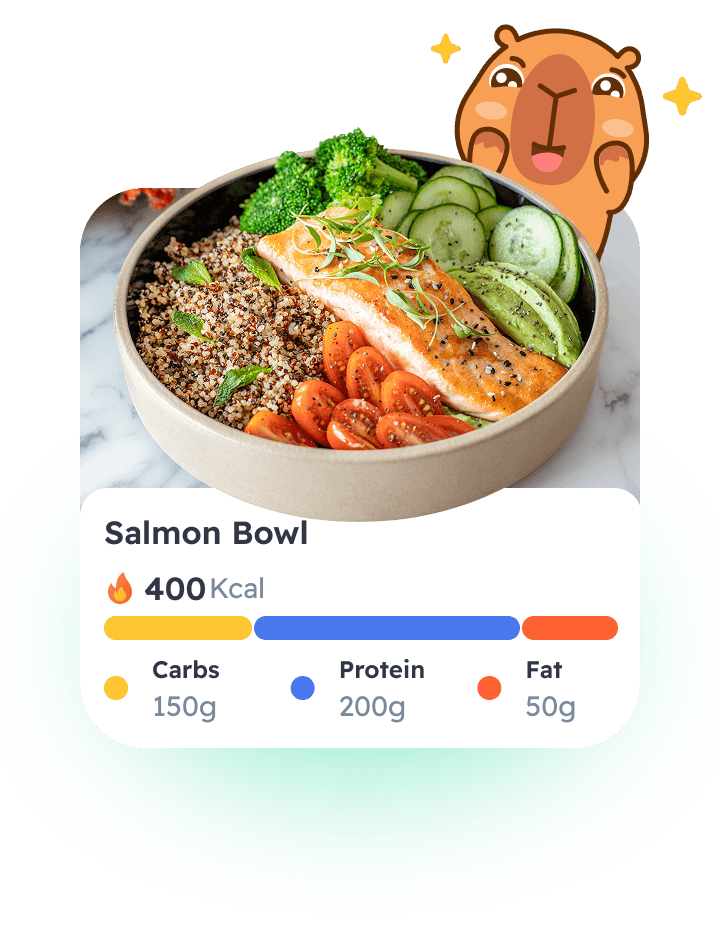
With CapyCal, you're not tracking for restriction or perfection. You're gathering data about what makes *you* feel best. No guilt, no judgment—just insights that help you make choices that work for your body and your life.
A Sample High-Satiety Day: Real Meals That Keep You Full
Let's put this all together with a realistic day of eating that prioritizes satiety. These aren't tiny "diet" portions—they're genuinely satisfying meals:
Breakfast
Greek yogurt bowl: 1 cup plain Greek yogurt (18g protein), 1/2 cup mixed berries, 2 tablespoons ground flaxseed, 1 tablespoon honey. (~280 calories)
Why it works: The protein keeps you full, the fiber from berries and flaxseed adds volume and slows digestion, and the whole meal is genuinely delicious—not a "diet" compromise.
Mid-Morning Snack
Hard-boiled eggs with veggies: 2 hard-boiled eggs, 1 medium apple. (~200 calories)
Why it works: Pure protein and fiber, keeps you satisfied until lunch, and requires zero prep guilt.
Lunch
Grilled chicken with roasted vegetables: 5 oz grilled chicken breast, 2 cups roasted broccoli and cauliflower, 1/2 cup brown rice, light olive oil drizzle. (~420 calories)
Why it works: This meal has massive volume due to the vegetables, solid protein to keep you full, and whole grains for sustained energy. Your plate looks abundant.
Afternoon Snack
String cheese and almonds: 1 oz string cheese, 1 small handful of raw almonds, 1 orange. (~220 calories)
Why it works: Protein, healthy fat, and fruit fiber keep you satisfied through late afternoon.
Dinner
Baked salmon with sweet potato and greens: 4 oz baked salmon, 1 medium sweet potato, 2 cups sautéed spinach with garlic. (~420 calories)
Why it works: The omega-3s in salmon support satiety, the sweet potato provides fiber and minerals, and the volume of greens makes the plate look generous.

Total for the day: ~1,540 calories—and you'll notice it's a lot of food. This isn't deprivation; this is genuine satiety.
The Bottom Line
Weight loss doesn't require constant hunger. It requires making food choices that genuinely satisfy you—prioritizing protein, fiber, volume, and hydration. These aren't restrictions; they're upgrades to how you eat.
The final piece is listening to *your* body. Everyone's satiety triggers are slightly different. The protein amount that keeps your friend full might be different from what works for you. The snacks that trigger cravings for one person might be fine for another.
When you track not for punishment but for awareness, you discover what actually works for *you*. That's when sustainable weight loss becomes possible—not as a constant battle against hunger, but as a natural result of eating in a way that feels genuinely good.
Ready to Stop Fighting Your Hunger?
CapyCal helps you discover the eating patterns that leave you genuinely satisfied. Track, learn, and feel good—no guilt required.