
Why This Works (Without Counting Anything)
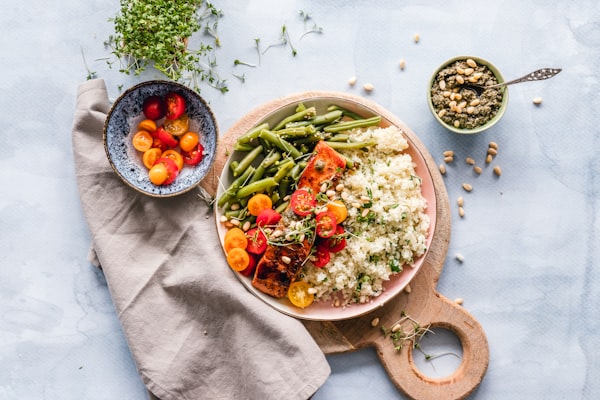
The plate method works because it's based on proportions, not portions. You're not weighing food or logging calories. You're just thinking about balance.
When half your plate is vegetables, you're naturally getting tons of nutrients and fiber without overdoing calories. The protein keeps you satisfied and supports your body. The carbs give you energy without being excessive. And a small amount of healthy fat makes everything taste good and digest slowly.
The magic part? When you eat this way, your appetite naturally regulates. You feel satisfied at the end of the meal. You don't feel deprived. You're not hungry two hours later. Your body knows what it got.
Real-Life Examples: Different Cuisines, Same Balance
The beautiful thing about the plate method is that it works with any type of food. You're not locked into a specific cuisine or style. Here's how it looks across different meals:
Italian Dinner
Vegetables (½): Roasted zucchini, bell peppers, and cherry tomatoes
Protein (¼): 4 oz grilled chicken breast
Carbs (¼): ⅔ cup whole wheat pasta
Healthy Fat: 1 teaspoon olive oil drizzle
This is a complete meal. The vegetables are roasted, the pasta is whole grain, the protein is lean, and the olive oil ties everything together. Delicious and balanced.
Asian Stir-Fry
Vegetables (½): Broccoli, snap peas, mushrooms, and carrots
Protein (¼): 4 oz tofu or shrimp
Carbs (¼): ⅔ cup brown rice
Healthy Fat: 1 teaspoon sesame oil in the cooking
Stir-fries are naturally balanced. You've got tons of vegetables, quick-cooking protein, and the oil is built in. Serve over brown rice for your carbs.
Mexican Bowl
Vegetables (½): Mixed greens, tomatoes, peppers, and corn salsa
Protein (¼): ¼ cup black beans + 3 oz chicken or fish
Carbs (¼): Small whole grain tortilla or additional beans
Healthy Fat: 2 tablespoons guacamole
Bowls are easy to build balanced. Load up on vegetables and salsa, add your protein, keep portions controlled on the higher-calorie ingredients like guacamole.
Mediterranean Plate
Vegetables (½): Cucumber, tomato, lettuce, olives (which count as fat)
Protein (¼): 4 oz grilled fish
Carbs (¼): ⅔ cup cooked lentils or chickpeas
Healthy Fat: The olives + 1 teaspoon olive oil
Mediterranean eating is already balanced. The emphasis on vegetables, fish, and legumes naturally hits all your sections without overthinking it.
Indian Meal
Vegetables (½): Spinach curry and roasted cauliflower
Protein (¼): 4 oz chickpea curry or grilled chicken
Carbs (¼): One small whole wheat roti or ⅔ cup basmati rice
Healthy Fat: The oil/ghee cooked into the curries (use sparingly)
Indian cuisine uses lots of spices and vegetables. Build your plate with these as the base, add your protein source (legumes or meat), and keep the bread or rice to one quarter.
Let CapyCal verify your balance
Take a photo of your plate. We'll show you if you're hitting the balance targets—no judgment, just clarity.
Download FreeBuilding Balanced Plates at Different Meals
Breakfast
Breakfast doesn't have to be perfect, but it can follow the same principle. If you're having eggs and toast, add vegetables (sautéed peppers, tomatoes, or spinach), keep your toast to one slice of whole grain, and use a small amount of butter or oil. Eggs are your protein. The vegetables make up more of your plate.
If you're having oatmeal, make it with unsweetened milk, top with berries (vegetables/fruit), add a tablespoon of nut butter (protein + fat), and keep the oatmeal to about ¾ of a cup. You've got your carbs, protein, fat, and fruit all in one bowl.
Lunch
Lunch is the easiest meal to balance. Start with a salad base (your vegetables), add your protein (grilled chicken, fish, tofu, beans), throw in some whole grains or starchy vegetables (brown rice, sweet potato, whole grain croutons), and dress with a small amount of vinaigrette (your fat). You've built a balanced meal without thinking.
Dinner
This is where the plate method shines. Literally divide your dinner plate into sections. Fill half with roasted or cooked vegetables. Add a palm-sized portion of protein. Fill the last quarter with whole grains or starchy vegetables. Add a small amount of healthy fat (cooking oil, butter, nuts, seeds, or avocado). Done.
Snacks
Snacks don't need to be perfectly balanced, but pairing your snack with something from multiple groups helps. Instead of crackers alone (just carbs), have crackers with cheese (adding protein and fat). Instead of fruit alone (great, but quick energy), pair it with nuts (adding protein and fat). This keeps your energy stable between meals.
How CapyCal Helps You Hit Balance
Here's where things get easier: instead of trying to remember whether you ate enough vegetables or if your protein portion was right, you can use CapyCal to verify.
Take a photo of your meal. The app analyzes it visually and shows you how your plate breaks down. You'll see whether you've got enough vegetables, if your protein portion looks right, and whether your carbs are proportionate. No logging every ingredient. Just visual verification that your meal is balanced.
If you want to log the details, you can. But you don't have to. The app can help you understand whether your eating pattern is actually balanced, even if you're not counting a single calorie.
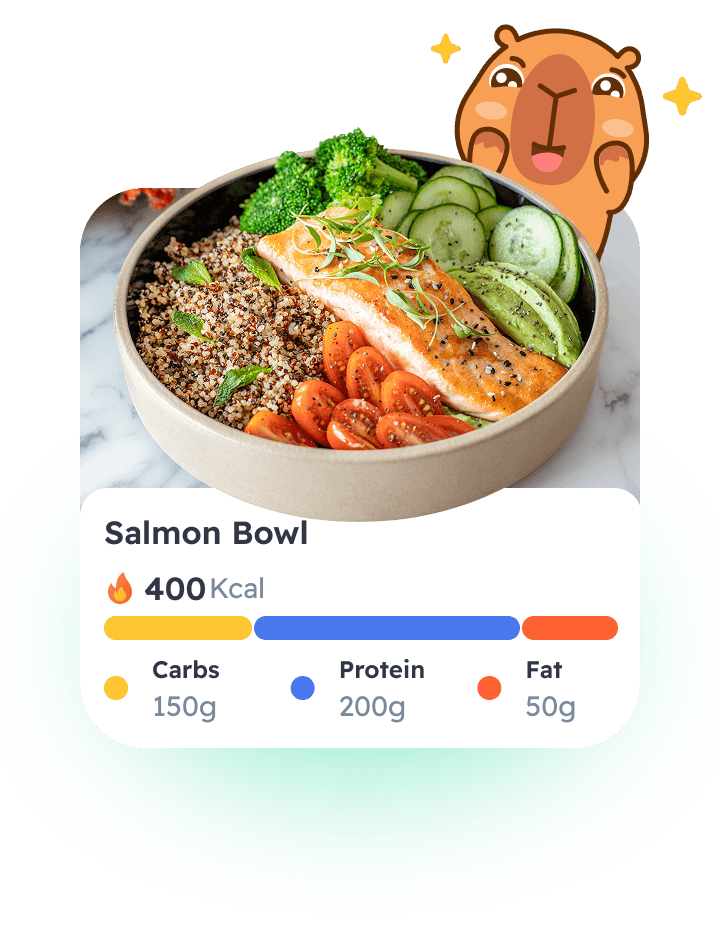
See your plate balance at a glance. CapyCal helps you understand if you're hitting your targets.
Tips for Building Balanced Plates
✓ Start with vegetables
Build your plate starting with vegetables. Once you have a big pile of vegetables, everything else is proportionally smaller and more balanced. It's hard to overeat when vegetables take up half your plate.
✓ Protein doesn't have to be meat
Chicken is great, but so are beans, lentils, tofu, tempeh, fish, eggs, and dairy. Mix it up. Vegetarian proteins are just as valid and often have the bonus of being higher in fiber.
✓ Whole grains matter, but so do starchy vegetables
Brown rice, whole wheat pasta, and whole grain bread are great. But sweet potatoes, regular potatoes with skin, corn, and legumes are just as valid for your carb quarter. Choose what you enjoy.
✓ Don't fear fat—just measure it
Healthy fats aren't the enemy. Olive oil, avocado, nuts, seeds, and fatty fish are nutrient-dense. You don't need much—a teaspoon of oil or 2 tablespoons of nuts is enough to add flavor and satisfaction without overdoing it.
✓ Frozen and canned count
Fresh vegetables are great, but frozen broccoli is just as nutritious (and cheaper). Canned beans are fine too—just rinse them to reduce sodium. Don't let "perfect" be the enemy of "done."
✓ Color variety = nutrient variety
Try to get different colored vegetables. Red peppers, green spinach, orange carrots, white cauliflower. Different colors mean different nutrients. You don't need to overthink it—just eat a variety.
✓ Use your hand as a guide
Your palm (without fingers) is roughly the right size for a protein portion. Your fist is roughly a cup. Your thumb is roughly a tablespoon of fat. You already have portion guides on your body.
The Point of Balance
The reason we talk about balanced plates isn't to make eating complicated. It's the opposite. When your meals are balanced, your body feels better. Your energy is stable. You're satisfied. You don't feel like you're missing anything or denying yourself.
A balanced plate is how you stop thinking about meals as "good" or "bad" and start thinking about them as just... food that makes you feel good. The plate method takes the confusion out of it.
You don't need to eat perfectly. You don't need to count anything. You just need to know the simple principle—half vegetables, quarter protein, quarter carbs, a small amount of fat—and you're building meals that support your wellness.
That's it. That's the whole system.
Get clarity on your balance with CapyCal
Take photos of your meals. See if you're hitting balance. No logging, no judgment. Just understanding.

Feel Good. Not Guilty.